
I can still hear the little clink of a spoon against a ramekin and the quiet hiss of butter in the pan when I make these miso scrambled eggs. The kitchen smells warm and savory, like a hug in the morning or a soft, late dinner. My kids hover, barefoot and curious, while my partner pours tea and we all wait for the eggs to look just right. That moment, when the steam carries the smell of toasted miso and the eggs are silk under the spatula, is why this recipe lives in our rotation.
Why You’ll Love This Miso Scrambled Eggs
Miso makes everything taste closer to home, and this dish is proof. The paste adds a gentle, savory depth so you do not need a dozen ingredients or complicated steps to feel like you made something special. The eggs stay creamy with very little fuss, and cleanup is minimal, which matters on weekday mornings and tired weeknights alike.
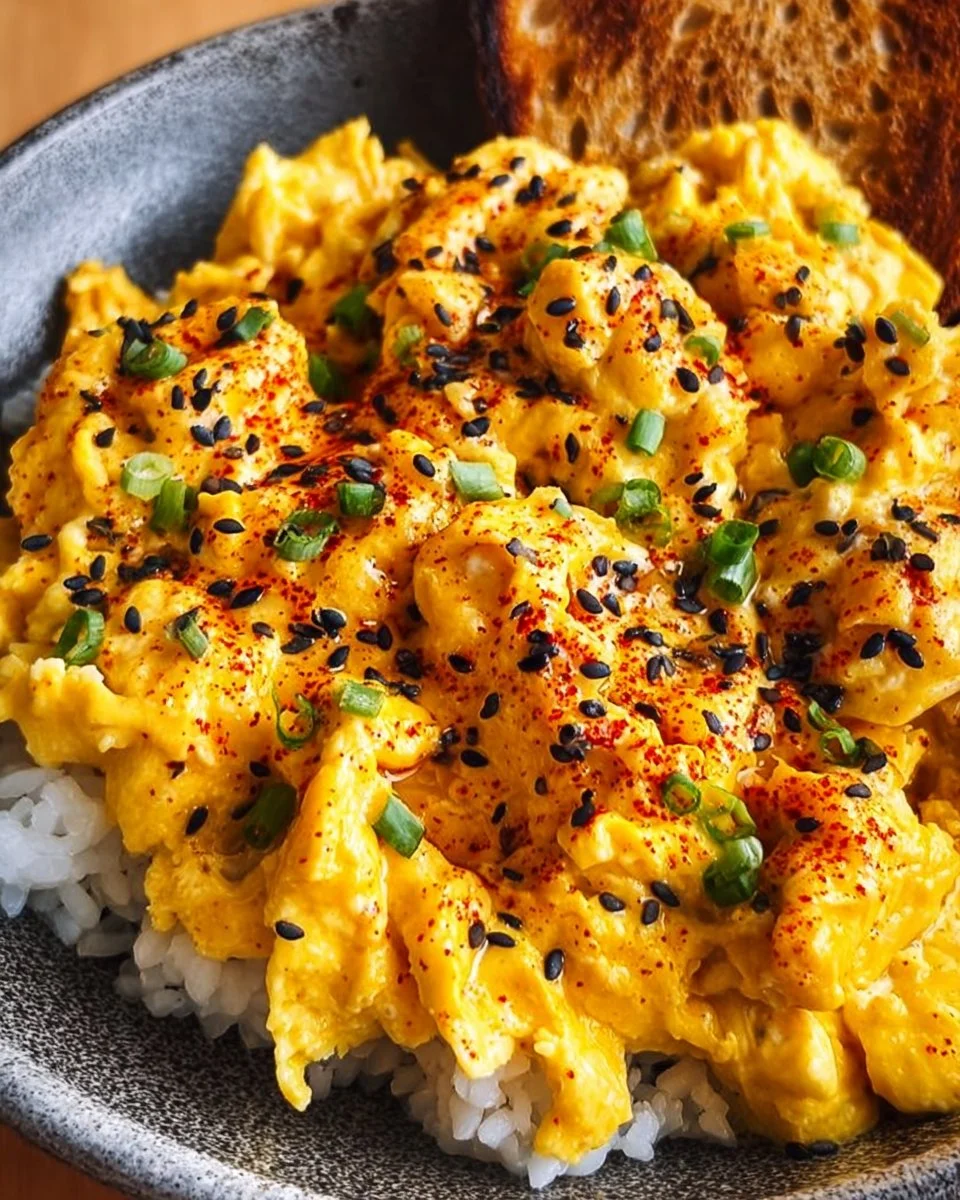
This recipe is fast but not frantic. It holds up whether you serve it in bowls for a cozy breakfast or stack it on toast for a quick lunch. It is forgiving in the best way; if you wander off for a minute, the miso helps the eggs keep their character even if the texture changes a touch. Most importantly, it brings people together without asking for a lot of time or attention.
Why it belongs in my weekly rotation comes down to three things: flavor you would not expect from just a few ingredients, reliable timing that gives you predictable results, and a comfort level that feels like company at the table. If you have miso in your pantry, you have an instant upgrade waiting for ordinary eggs.
How I Make Miso Scrambled Eggs Without Overthinking It
“When it smells this good halfway through, you know dinner’s already on your side.”
Start with a calm mindset and a warm pan. The process is short and gentle. You whisk eggs with miso and a splash of milk so the miso spreads evenly. Meanwhile, melt a knob of butter in a non-stick skillet and lower the heat. Pour in the eggs and stir slowly, nudging the curds toward the center as they form.
Visually you want soft, glossy curds and no liquid puddles. The eggs will still look a little loose when you turn off the heat because they continue to set in the pan. Texture cues matter more than time alone: creamy, slightly billowy curds are the goal. If they tighten up too quickly, your heat was too high. If they never set, you may need a touch more patience and slightly more heat next time.
From there, taste and adjust with a little salt if needed and finish with bright green onions or another fresh garnish. This approach keeps the cooking calm and the results reliably comforting.
What Goes Into Miso Scrambled Eggs
All 4 large eggs
1 tablespoon miso paste
1 tablespoon milk or cream
1 tablespoon butter
Salt, to taste
Chopped green onions, for garnish (optional)
Use what you have. White or yellow miso will both work, though white miso is milder and sweeter. The milk or cream smooths the eggs and helps them hold a tender texture. Don’t skip the butter; it helps carry the flavor and keeps the eggs glossy while cooking. Green onions add a bright finish but are optional if you are serving this to picky eaters.
Step by Step Directions
-
In a bowl, whisk together eggs, miso paste, and milk until well combined.
Let the whisking fully dissolve the miso so no streaks remain. This helps flavor the eggs evenly and prevents salty pockets. -
Heat butter in a non-stick skillet over medium-low heat.
The pan should be warm and the butter just melted, not brown. Medium-low heat is forgiving and gives you control. -
Pour the egg mixture into the skillet.
It will sizzle softly if the pan is just right. Give the pan a gentle swirl so the eggs touch the surface evenly. -
Stir gently with a spatula, pushing the eggs from the edges to the center, until softly scrambled and just set (about 3-4 minutes).
Keep your motions slow and deliberate. Turn off the heat when the eggs still look a touch underdone; residual heat will finish them. -
Season with salt to taste, and garnish with green onions if desired.
Taste before you add much salt. Miso carries saltiness, so you may need less than you think. -
Serve immediately.
These are best warm and soft. Let them rest a minute if you must, but serve as soon as the texture is creamy.
Serving Miso Scrambled Eggs at the Table
We often eat these eggs family style, scooped into shallow bowls so everyone can add their own toppings. Sometimes we place a small pot of soy or sesame oil on the table for those who like a little shine. A simple plate of steamed rice, a wedge of buttered toast, or a pile of satiny greens makes a full meal without fuss. 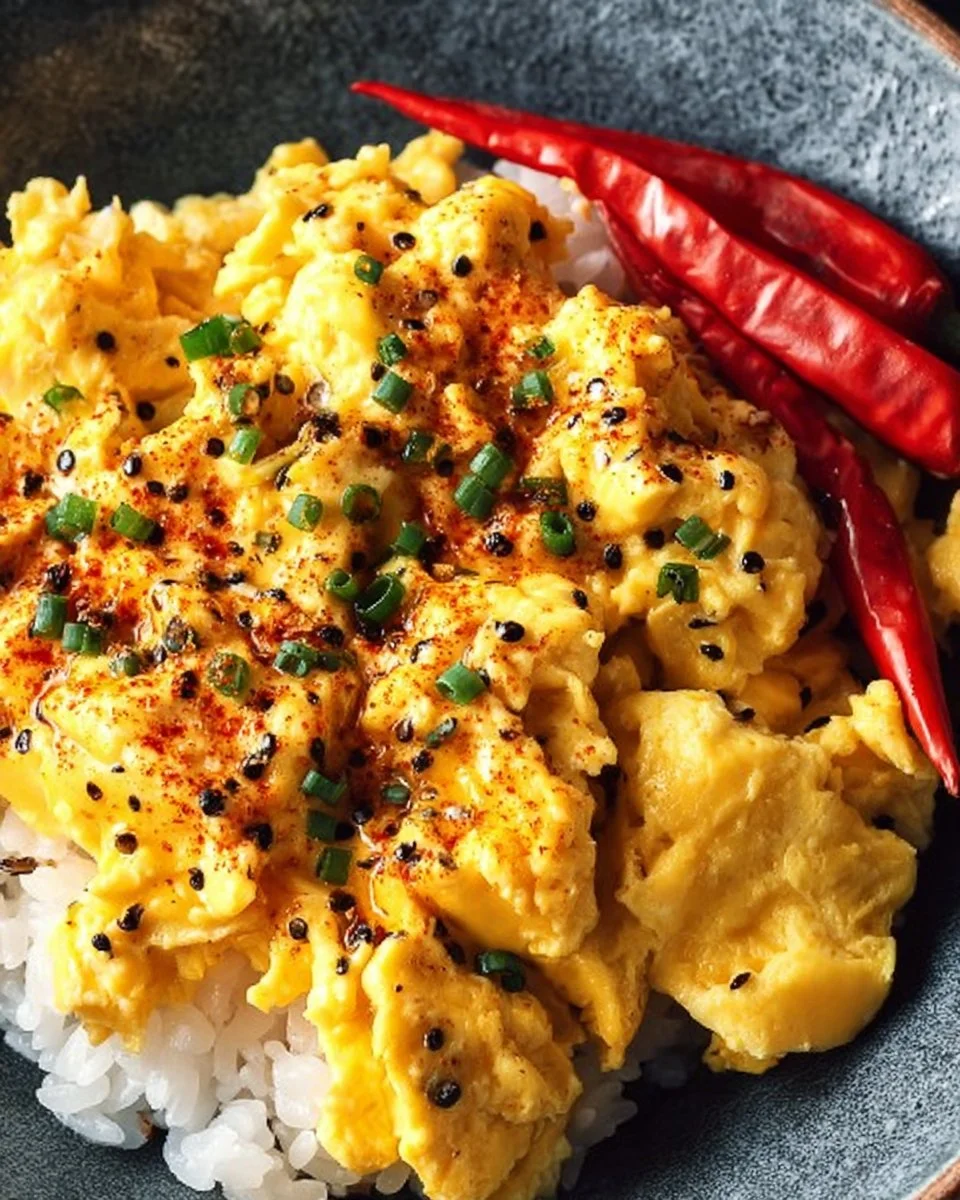
For weeknight dinners, I will pair the eggs with roasted tomatoes and a green salad. For a comforting breakfast, stack them on thick toasted sourdough. If you want to keep things casual, fold them into warm tortillas with a little scallion and a drizzle of hot sauce. The eggs are mild enough to partner with bold flavors and familiar enough that kids will often eat them plain.
By the time it is served, the room smells faintly of miso and butter. That is the smell people remember—warm, a little nutty, and quietly savory. If you are feeding a crowd, make two pans and keep one warm in a low oven briefly while finishing the second.
Saving Miso Scrambled Eggs for Tomorrow
Leftovers are honest and easy to handle. Store cooled eggs in an airtight container in the fridge for up to three days. If you want to freeze them, know they will change texture; freezing is possible, but I do not recommend it for best quality.
Reheat gently to keep creaminess. The microwave works if you heat in short 20 to 30 second bursts, stirring in between. For a tender result, reheat in a skillet over low heat with a small knob of butter and a splash of water or milk to revive the texture. Avoid high heat which will dry the eggs out.
If you plan to pack them for lunch, keep any add-ons separate. Sauces and fresh herbs are best added just before eating. Honest storage and careful reheating go a long way to keeping the dish feeling fresh.
Notes From My Kitchen
I have learned a few things by making this dish many times. First, white miso keeps the flavor gentle and almost caramel-like, while stronger miso makes the eggs more assertive. If you are new to miso, start with a small amount and taste as you go.
Second, a non-stick skillet changes everything. You can do this in a regular pan, but a non-stick gives you those silky curds with minimal butter and less stress. A silicone spatula keeps the eggs moving without tearing them.
Third, think about temperature over time. Low and patient heat produces the creamiest curds. If your eggs ever dry out, they were likely cooked too hot or too long. Lastly, a little butter at the start and a tiny splash of milk in the mix are small acts that yield big comfort.
Time saving tips that actually help: whisk the eggs with the miso in a jar if you want to save a bowl and have less to wash. Keep a small container of chopped scallions in the fridge for a quick garnish. And when you are rushing, pour the eggs over warm rice in a bowl and call it dinner.
Family Twists on Miso Scrambled Eggs
If your family likes spice, fold in a teaspoon of chili oil or a sprinkle of crushed red pepper just before serving. For a creamier, richer texture, swap milk for a splash of cream or a tablespoon of soft cream cheese whisked into the eggs.
To make it heartier, stir in cooked mushrooms or shredded leftover chicken during the last minute of cooking. For a lighter version, omit the butter and cook in a non-stick pan with a small spray of oil, then finish with a squeeze of lemon for brightness.
Young eaters sometimes resist new flavors. If that is the case, use a smaller amount of miso and serve the eggs alongside a familiar favorite like buttered toast or fresh fruit. You can also grate a little mild cheddar on top for a friendly bridge between flavors.
FAQs About Miso Scrambled Eggs
Can I make this ahead?
Yes. In fact, the flavors settle beautifully overnight, which makes it even better the next day. Store in the fridge and reheat gently.
Which miso should I use?
White miso is the most forgiving and gently sweet. Yellow or red miso gives stronger umami. If you are unsure, start with white miso and increase later.
Will the eggs be too salty with miso?
Not usually, but taste before you add extra salt. Miso brings salt, so you might need less salt than usual. Stir the miso into the eggs fully to avoid salty pockets.
Can I add vegetables?
Yes. Keep them precooked and warm them briefly in the pan before adding the eggs. Quick sautéed spinach, scallions, or mushrooms work well.
How do I get really creamy curds?
Low heat, constant gentle stirring, and a splash of milk or cream. Turn off the heat while the eggs are still slightly soft; they will finish setting in the hot pan.
A Final Bite
I always think of this dish as small comfort that asks for very little but gives a lot in return. It is one of those recipes that grows family memories; it has helped me feed hungry children between soccer practices, soothe late-night hunger, and make quiet mornings feel special. Keep a jar of miso in the pantry, and you will find countless small moments where it makes dinner easier and kinder.
Conclusion
If you want a few more perspectives and recipe variations to explore, I find it helpful to read how others approach miso with eggs. Bon Appétit offers a friendly take that inspired my first trial, take a look at Add Miso to Your Scrambled Eggs Now (Thank Me Later) | Bon Appétit for a clear, magazine-style version. For a home cook friendly version with a Japanese twist, check out Miso scrambled eggs (Japanese-style) – Non-Guilty Pleasures. If you are curious about ultra-simple Japanese scrambled eggs, see the stripped-back approach in Japanese Scrambled Eggs (3+ Ingredients) | Stonesoup. For those who like heat, here is a spicy take on the same idea at Spicy Miso Scrambled Eggs Recipe ~ Crunch Time Kitchen. And if you want to try a buttery, rich version, Marion’s Kitchen has a lovely recipe at Miso Butter Scrambled Eggs | Marion’s Kitchen.
Thank you for cooking here with me. Keep it simple, keep it warm, and remember that small, practiced steps are how great meals become a part of family life.
Miso Scrambled Eggs
Ingredients
Main Ingredients
- 4 large eggs 4 large eggs
- 1 tablespoon 1 tablespoon miso paste White or yellow miso can be used.
- 1 tablespoon 1 tablespoon milk or cream Helps smooth the eggs and maintain tenderness.
- 1 tablespoon 1 tablespoon butter Essential for flavor and glossy finish.
- Salt, to taste Miso may provide enough saltiness.
- Chopped green onions, for garnish (optional) Adds a bright finish.
Instructions
Preparation
- In a bowl, whisk together eggs, miso paste, and milk until well combined.
- Let the whisking fully dissolve the miso so no streaks remain.
Cooking
- Heat butter in a non-stick skillet over medium-low heat.
- Pour the egg mixture into the skillet.
- Stir gently with a spatula, pushing the eggs from the edges to the center, until softly scrambled and just set (about 3-4 minutes).
- Season with salt to taste, and garnish with green onions if desired.
Serving
- Serve immediately while warm and soft.