
I can still smell it now: the warm, sweet steam of Shokupan (Japanese Milk Bread) that filled my kitchen the first time I tried this recipe. My kid pressed a face to the oven door, breath fogging the glass, while the kitchen timer clicked down and the soft, pillowy loaf rose to a perfect golden top. It tasted like a small, quiet celebration — the kind of bread that turns butter into an event and elevates a simple sandwich to something you want to linger over. A cup of tea and a thick slice of this bread was enough to make a slow morning feel special while still keeping the day moving.
Why You’ll Love This Shokupan (Japanese Milk Bread)

Shokupan (Japanese Milk Bread) is the kind of loaf you make when you want something predictable and delicious. It gives you soft, even crumbs that hold together but still melt on your tongue. It is forgiving in timing and very family friendly, from toast lovers to toddler sandwich eaters.
You will love how a single loaf can stretch across breakfasts, school lunches, and late-night toast rescues. It requires a few bowls and a short block of attention, then it mostly waits for you, which is my idea of a relaxed kitchen win. This bread earns its place in the weekly rotation because it is comforting, flexible, and reliably loved by anyone who sits down to eat it.
The Comfort and Ease Behind Shokupan (Japanese Milk Bread)
I make this bread when life is busy because it asks for gentle, patient steps rather than perfect timing. It is not fussy about exact minutes the way some yeasted doughs can be. Once the dough has rested, the rest is simple shaping and a short second rise. That gives me space to prep sides, clean up, or catch the laundry between steps.
If you are new to enriched breads, think of this as a friendly introduction. The dough is soft but manageable, and the Yudane method makes the crumb springy and tender. It is the kind of loaf that rewards a little attention without demanding a kitchen takeover.
How I Make Shokupan (Japanese Milk Bread) Without Overthinking It
“When it smells this good halfway through, you know dinner’s already on your side.”
Before we get into ingredients, here is the calm overview: create a Yudane to make the crumb extra soft, mix the dough until smooth, add butter, let it rise, shape, and bake. Look for the dough to feel smooth and slightly tacky. When it passes the first rise, it will hold a gentle indentation when touched. By the time it comes out of the oven, the top should be evenly golden and the loaf should sound hollow when tapped on the bottom.
Meanwhile, keep an eye on the dough rather than the clock. Temperature is the real timer. If your kitchen is cool, give it more time; if it is warm, check it earlier. You will begin to recognize the feel of a well-developed dough after a few loaves.
What Goes Into Shokupan (Japanese Milk Bread)
Ingredients You’ll Need
500g bread flour
60g sugar
10g salt
10g instant yeast
300ml whole milk
80g unsalted butter, softened
100g water (for Yudane)
100g bread flour (for Yudane, optional)
Use what you have where you can. The bread flour gives a strong gluten structure and is why the loaf keeps its shape. If you must, you can mix in some all-purpose flour, but the texture will be slightly different. Don’t skip the Yudane if you can, because it is what gives this bread the signature soft, cloud-like crumb that keeps toast tasting fresh for days. The softened butter folds in last and lends that rich, tender mouthfeel we all love.
A note about milk and warmth: whole milk makes the crumb tender and helps with browning. If you need to substitute, use a mix of milk and water or a milk alternative, but be aware it changes browning and flavor subtly.
Step by Step Directions
-
Prepare the Yudane: In a bowl, combine 100g of bread flour with 100g of hot water, stirring until well combined. Cover and let it sit at room temperature for at least 2 hours or overnight.
Stir until smooth and jiggly the way pudding looks. It should be cool to the touch before you mix it into the dough. -
In a large mixing bowl, combine the bread flour, sugar, salt, and instant yeast.
Whisk these together so the yeast and salt stay evenly distributed. Make sure the salt is not clumped near the yeast. -
Add the warm milk and Yudane to the dry ingredients. Mix well until a dough forms.
Warm the milk to about 35-40°C (95-105°F) if you can. Pour it in slowly while stirring to bring everything together into a shaggy dough. -
Knead the dough for about 10-15 minutes until it becomes smooth and elastic.
You can knead by hand or use a stand mixer with a dough hook. The dough should pass the windowpane test or feel smooth and spring back slightly when pressed. -
Add the softened butter and knead until fully incorporated.
Add small pieces, folding them in thoroughly. The dough will soften and become glossy as the butter blends through. -
Place the dough in a greased bowl, cover it with a damp cloth, and let it rise in a warm place until doubled in size, about 1-2 hours.
If your kitchen is cool, set it near a warm oven or on top of a warm appliance. It should look airy and have grown about twice. -
Once risen, punch down the dough, divide it into pieces, and shape each piece into a ball.
Use a light touch so you do not knock all the air out. Divide into three or four portions depending on the size of your pan. -
Let the dough balls rest for about 15 minutes.
This gives the gluten a minute to relax and makes the final shaping much easier. -
Shape the rested dough into loaves and place them in a greased loaf pan.
Roll each piece into a tight cylinder and place seam-side down in the pan. They will sit snug and rise up, making the classic blocky Shokupan shape. -
Cover the pan and let it rise again until doubled, about 30-60 minutes.
This second rise should be gentler. When touched lightly, the dough should leave a small indentation that bounces back slowly. -
Preheat the oven to 180°C (350°F).
Preheating is important so the loaf gets a good rise when it hits the heat. -
Bake the bread for 25-30 minutes until golden brown.
If the top browns too quickly, tent with foil once it reaches a deep golden. The internal temperature should be around 90-95°C (195-205°F) if you use a thermometer. -
Remove from the oven and let cool before slicing.
Let the loaf cool in the pan for 10 minutes, then turn it out to finish cooling on a rack. Slicing too early will crush the crumb, so patience pays off.
A final tip: if the dough feels sticky during kneading, resist the urge to add a lot of flour. Try oiling your hands or using a bench scraper to fold until the gluten tightens up. A slightly tacky dough gives the softest crumb.
Serving Shokupan (Japanese Milk Bread) at the Table
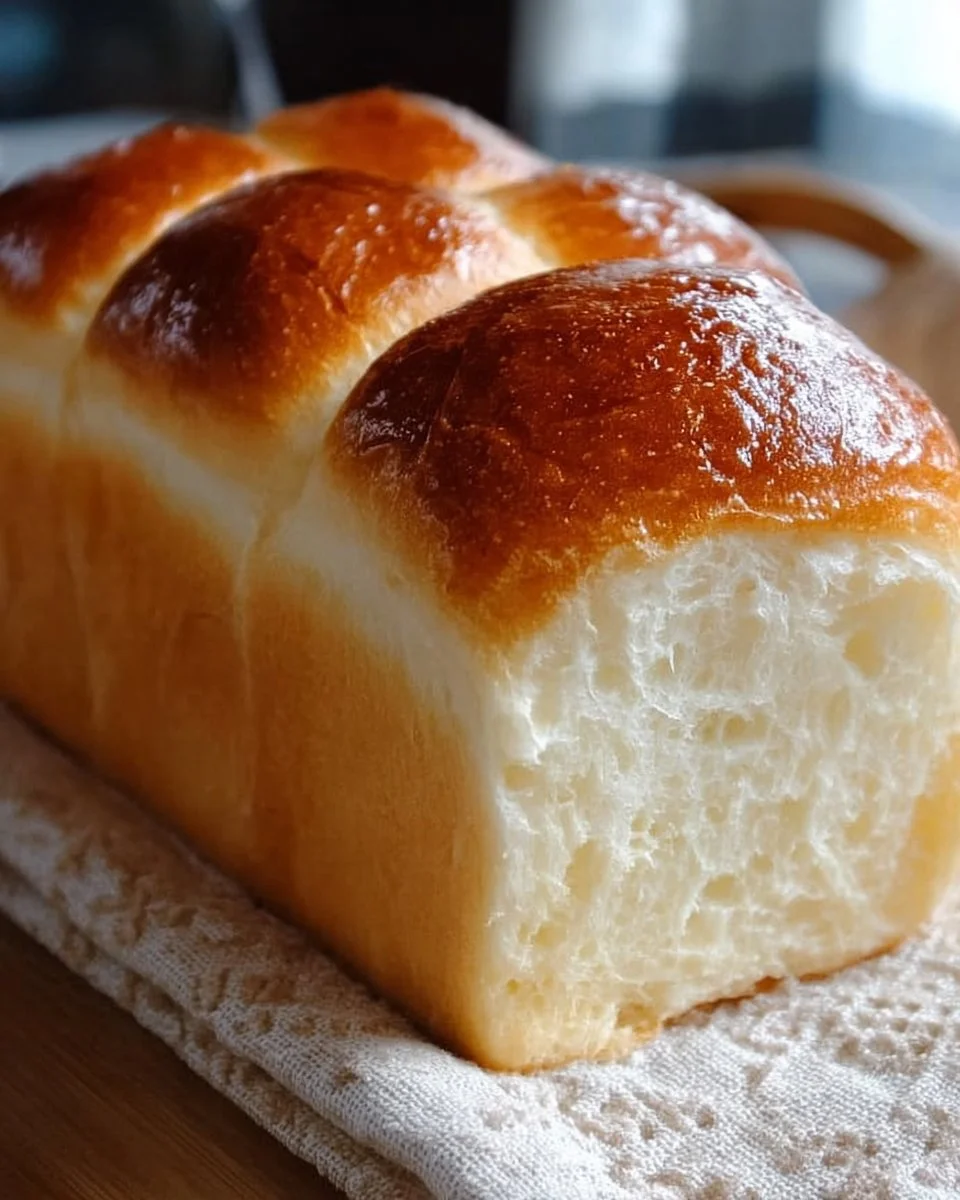
At our house, Shokupan is a team player. We slice it thick for toast, thin for sandwiches, and sometimes use the ends for bread pudding. It loves a smear of butter and a sprinkle of flaky salt, but it also plays nicely with jam, honey, or savory spreads. For weeknight dinners, we pair it with soup or a big salad so everyone can tear off pieces and make their own comfort plate.
For a kid-friendly crowd, make grilled cheese with a generous amount of melty cheese and watch the room quiet down. For a grown-up breakfast, toast it and top with ricotta, sliced fruit, and a drizzle of honey. Bringing it to dinner feels casual and kind. A warm mug and a slice make late mornings feel intentional.
Saving Shokupan (Japanese Milk Bread) for Tomorrow
Storage and Reheating Without Losing Flavor
This bread keeps surprisingly well. Wrapped tightly at room temperature it will stay soft for 2-3 days. If you want longer, slice and freeze it; it thaws quickly and keeps its texture. For the fridge, I only chill when the climate is very humid, because refrigeration can dry bread faster.
To reheat, toast slices directly from frozen or warm the whole loaf in a low oven wrapped in foil for 10-15 minutes. A light spritz of water before reheating helps refresh the crumb. When reheating, aim for gentle heat so the buttery flavor returns without drying the crust.
If you plan to use leftovers in a recipe, keep slices in the freezer so they are easy to grab. From there, they become breadcrumbs, French toast, or croutons with just a minute of prep.
Quick note on reheating with tea: a warm drink and a toasted slice are a small comfort that stretches a loaf into several quiet moments.
Notes From My Kitchen
What I’ve Learned After Making This a Few Times
- Let the Yudane rest longer if your schedule allows. Overnight in the fridge deepens the texture and gives you more flexibility for timing.
- If you are short on time, use slightly warmer milk and a warmer spot for rising. The dough is forgiving but avoid making it too hot or the yeast will work too fast.
- Clean as you go. Enriched dough can be sticky and forgiving with a little oil on your hands. Keep a bench scraper nearby and wipe your hands with a damp towel to save cleanup later.
A few kitchen shortcuts that actually save time: prepare the Yudane the night before, place the dough in a warm oven with the light on for the first rise if your kitchen is cold, and use a timer on your phone so you can step away without worry.
Family Twists on Shokupan (Japanese Milk Bread)
Easy Ways to Change It Up
You do not have to change much to get new results. Add a sprinkle of sesame seeds to the top before baking for a nutty note. Fold in a thin strip of sweet red bean paste for a Japanese-inspired twist. For a savory turn, grate some cheese into the dough during the final knead.
If you want a lighter loaf, reduce the butter slightly and use milk with a lower fat content. For pickier eaters, keep things simple: the plain flavor is crowd-pleasing and makes stellar sandwiches.
A final tip on flavors: taste as you go when adding extras. Small amounts can change the character of the bread wonderfully without overwhelming its tender crumb.
FAQs About Shokupan (Japanese Milk Bread)
Questions I Get About This Recipe
Can I make this ahead?
Yes. In fact, the flavors settle beautifully overnight, which makes it even better the next day. You can do the bulk fermentation in the fridge for a slow, flavorful rise.
What if my dough is too sticky to handle?
Oil your hands and the work surface lightly rather than adding more flour. A tacky dough will yield a softer loaf.
Can I use a stand mixer?
Absolutely. A stand mixer with a dough hook speeds up kneading and gives consistent results. Knead on medium-low until the dough is smooth.
How do I know when it is fully baked?
The top should be golden brown and the loaf will sound hollow when tapped. An internal temperature near 95°C (200°F) is a good target.
Can I make this without Yudane?
You can, but the crumb will be less bouncy and soft. The Yudane method is the secret to the pillowy texture most people expect from Shokupan.
A Final Bite
One Last Thought From My Kitchen
Baking Shokupan is an act of care that gives back more than it asks. A little time, a few simple ingredients, and some patience turn into something that feeds bodies and soothes days. The first time my daughter tore off a strip and handed it to her grandfather, I saw how small routine moments knit a family together. That is what I love about this bread: it is accessible enough for a weekday and special enough for moments you want to stretch.
If you are nervous, start small. Let the dough tell you when it is ready. And if a loaf does not turn out perfectly the first time, you will still end up with warm bread and a kitchen full of good smells. I promise the next loaf will be better because you are learning each time.
Conclusion
If you want to see a clear demonstration of technique and feel confident following along, try this video guide to Japanese Milk Bread: Japanese Milk Bread (Shokupan) (Video) 食パン • Just One Cookbook.
For another reliable home cook version with straightforward tips and photos, this recipe is well-loved: Shokupan Recipe (Japanese Milk Bread Loaf) – Chopstick Chronicles.
If you want a playful take and ideas for themed bento or creative shapes, see this fun, visual approach: Shokupan (Japanese Milk Bread) – Tara’s Multicultural Table.
For an advanced twist and a version adapted for sourdough starters, this guide walks you through the adjustments: Sourdough Shokupan (Japanese Milk Bread) | The Perfect Loaf.
And for a deep-dive recipe that covers technique and troubleshooting in detail, check this thorough take on Shokupan: Shokupan (Japanese Milk Bread) Recipe.
Happy baking. I hope your kitchen fills with that warm, sweet smell soon.

Shokupan (Japanese Milk Bread)
Ingredients
For the Bread Dough
- 500 g bread flour Bread flour gives a strong gluten structure.
- 60 g sugar
- 10 g salt Make sure salt is not clumped near the yeast.
- 10 g instant yeast
- 300 ml whole milk Whole milk helps with browning and texture.
- 80 g unsalted butter, softened Lends a rich, tender mouthfeel.
For the Yudane
- 100 g bread flour For Yudane, optional.
- 100 g water Hot water to activate the Yudane.
Instructions
Preparation of Yudane
- In a bowl, combine 100g of bread flour with 100g of hot water, stirring until well combined. Cover and let it sit at room temperature for at least 2 hours or overnight.
- Once ready, ensure it is cool to the touch before you mix it into the dough.
Making the Dough
- In a large mixing bowl, combine the bread flour, sugar, salt, and instant yeast. Whisk to distribute evenly.
- Add the warm milk and Yudane to the dry ingredients. Mix well until a dough forms.
- Knead the dough for about 10-15 minutes until it becomes smooth and elastic.
- Add the softened butter and knead until fully incorporated, the dough will become glossy.
First Rise
- Place the dough in a greased bowl, cover it, and let it rise in a warm place until doubled in size, about 1-2 hours.
Shaping the Loaves
- Once risen, punch down the dough, divide it into pieces, and shape each piece into a ball.
- Let the dough balls rest for about 15 minutes.
- Shape the rested dough into loaves and place them in a greased loaf pan.
Second Rise
- Cover the pan and let it rise again until doubled, about 30-60 minutes.
Baking
- Preheat the oven to 180°C (350°F).
- Bake the bread for 25-30 minutes until golden brown.
- Remove from the oven and let cool before slicing.