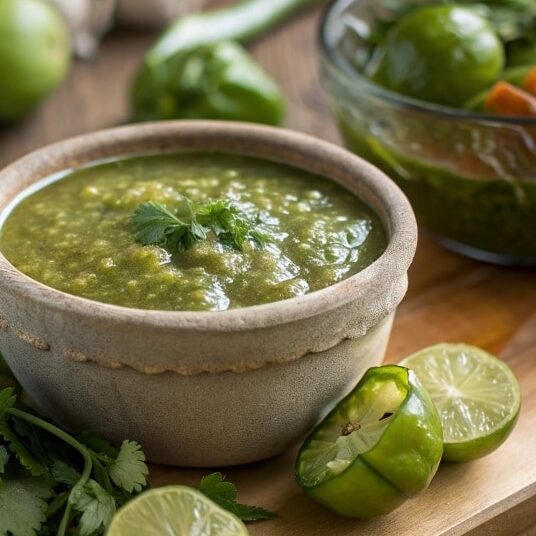
Salsa Verde: A Complete Guide to Flavorful Green Sauces
Few sauces capture the brightness and balance of fresh herbs, chilies, and citrus quite like Salsa Verde. Known across cultures from Mexico to Italy and South America, this green sauce has become a staple on family tables and in gourmet kitchens. Its versatility makes it perfect for pairing with meats, drizzling over tacos, stirring into pasta, or even enjoying as a dipping sauce with warm bread. Whether you are exploring Salsas Mexicanas Recetas or learning about Italian Salsa Verde, this article will guide you through the flavors, history, and recipes that make this sauce unforgettable. By the end, you will not only know how to prepare it but also how to adapt it to your own kitchen style.
Why Salsa Verde is Special
What makes Salsa Verde stand out among other condiments is its refreshing balance of tangy, spicy, and herbal notes. In Mexico, tomatillos bring a mild tartness, while in Italy, parsley, garlic, and capers create a bold herbal punch. In South America, versions like Salsa De Palta use creamy avocado for a richer texture. Each region has its own twist, yet the heart of the sauce remains the same: a vibrant green flavor enhancer that elevates simple dishes into something extraordinary.
Origins of Salsa Verde
Tracing the history of Salsa Verde reveals fascinating culinary connections. Mexican cooks have been blending tomatillos with chili peppers for centuries, producing a tangy base that complements grilled meats and tortillas. Carne En Salsa Verde is a traditional dish where tender pork or beef simmers in this green sauce until infused with flavor. Meanwhile, Italians have long paired their version of Italian Salsa Verde with roasted fish, boiled meats, and vegetables. Each culture embraced the idea of a green sauce that bridges freshness with savory richness. Even today, chefs worldwide draw from these traditions to create modern adaptations like Salsa Verde Con Aguacate or Salsa De Cilantro Receta.
Ingredients That Define Salsa Verde
At its core, Salsa Verde requires fresh green ingredients, acidic balance, and a bit of heat. In Mexican kitchens, roasted tomatillos, serrano peppers, garlic, and onion form the base. Some cooks add cilantro for brightness, others prefer Salsa Verde Cruda, a raw version where the ingredients are blended without cooking for a sharper, fresher taste. In Italy, parsley dominates, often combined with lemon juice, olive oil, and anchovies. Across South America, avocados add creaminess for variations like Salsa Verde Con Aguacate or Salsa De Palta.
Common Ingredients Across Variations
- Tomatillos or green tomatoes
- Fresh chili peppers (serrano, jalapeño, or poblano)
- Herbs like cilantro, parsley, or basil
- Garlic and onion
- Acidic elements such as lime juice, vinegar, or lemon juice
- Olive oil or avocado for richness
How to Make Traditional Mexican Salsa Verde
For a true taste of Mexican Corn Salsa or taco night accompaniments, learning how to make a roasted tomatillo Salsa Verde is essential. This recipe works beautifully as a Salsa Verde Para Tacos or as a dipping sauce with tortilla chips.
Ingredients
- 1 pound tomatillos, husked and rinsed
- 2 serrano peppers
- 2 cloves garlic
- 1 small onion, chopped
- 1 cup fresh cilantro leaves
- Juice of 1 lime
- Salt to taste
Instructions
- Roast tomatillos, peppers, and garlic on a skillet until charred and softened.
- Place roasted ingredients in a blender with onion, cilantro, lime juice, and salt.
- Blend until smooth, adjusting with water for consistency.
- Serve warm or chilled as desired.
This basic recipe is the foundation for many Salsas Y Aderezos found in Mexican households. It can be customized by adding avocado for creaminess, extra chili for heat, or even fruit like pineapple for sweetness.
Italian Salsa Verde: A Mediterranean Touch
The Italian interpretation of Salsa Verde leans toward herbs and tangy flavors. Traditionally served with meats like bollito misto or grilled fish, it is a sauce that highlights freshness. Instead of tomatillos, Italians use parsley as the hero ingredient. Anchovies, garlic, and capers bring briny depth while olive oil and vinegar balance it with richness and acidity. This Italian Salsa Verde is also perfect stirred into Pasta Verde Recetas, offering a bright counterpoint to creamy pasta dishes.
Modern Adaptations of Salsa Verde
In today’s kitchens, creativity brings endless possibilities for this green sauce. The addition of avocado in Salsa Verde Con Aguacate has grown popular in both Mexico and the United States, delivering a silky smooth texture. Health-conscious cooks enjoy Salsa De Cilantro Receta, which is herb-heavy and ideal for drizzling over grilled vegetables. A refreshing twist comes from Salsa Verde Cruda, which preserves raw flavors and bright green color, perfect for summer dishes.
Serving Ideas for Salsa Verde
- Salsa Verde Para Tacos: Spoon over carne asada, chicken, or vegetarian tacos for zest.
- Carne En Salsa Verde: Braise beef or pork in the sauce for a comforting dish.
- Pasta Verde Recetas: Toss with spaghetti or penne for a quick Italian-inspired meal.
- Drizzle over roasted vegetables, grilled seafood, or grain bowls.
- Serve as a dip with tortilla chips or fresh bread.
Why You Will Love Salsa Verde
- It is quick to prepare, often taking less than 15 minutes.
- It uses budget-friendly, fresh ingredients available in most markets.
- It is versatile across global cuisines.
- It is nutritious, with antioxidants from herbs and vitamin C from citrus.
- It can be customized to suit your heat and texture preference.
Common Mistakes to Avoid
One of the biggest mistakes when making Salsa Verde is skipping the roasting step for tomatillos and peppers. Roasting develops a smoky depth that raw blending cannot match. Another pitfall is over-blending Italian Salsa Verde until it becomes too smooth. It should have a slightly chunky texture to showcase the herbs. Finally, not balancing acidity can leave the sauce flat. A squeeze of lime in Mexican salsa or lemon in Italian salsa makes all the difference.
Storage and Reheating Tips
Fresh Salsa Verde keeps well in the refrigerator for up to five days in an airtight container. Freezing is possible, though the herbs may lose some brightness upon thawing. For Salsa Verde Cruda, it is best enjoyed the same day since raw herbs darken quickly. If using avocado-based versions like Salsa Verde Con Aguacate, press plastic wrap directly on the surface before chilling to slow browning.
FAQs About Salsa Verde
Is Salsa Verde always spicy? No, the heat level depends on the type and amount of peppers used. Jalapeños are milder than serranos, and poblano peppers add depth without intense heat.
What is the difference between Salsa Verde and Salsa Roja? Salsa Roja is made with red tomatoes and dried chilies, while Salsa Verde uses green tomatillos or herbs for its distinctive color and flavor.
Can I use Salsa Verde as a marinade? Absolutely. It works beautifully as a marinade for chicken, pork, or shrimp, infusing the meat with brightness and spice.
Can Salsa Verde be used in vegetarian dishes? Yes, it pairs wonderfully with roasted vegetables, grains, and beans, making it a versatile option for plant-based meals.
Final Thoughts
Salsa Verde is more than just a sauce. It is a bridge between cultures, a flavor enhancer that adapts to countless dishes, and a recipe that invites creativity in every kitchen. From Salsas Mexicanas Recetas to Italian Salsa Verde, from Carne En Salsa Verde to Salsa Verde Con Aguacate, this sauce has proven its timelessness. Whether you are drizzling it over tacos, mixing it into pasta, or dipping fresh bread into its herbaceous depths, Salsa Verde will always bring brightness to your table.
Follow me on Pinterest for more cozy, quick, and nostalgic recipes.
Salsa Verde
Equipment
- Blender
- Skillet
- Knife
Ingredients
Mexican Salsa Verde Ingredients
- 1 lb tomatillos (husked and rinsed)
- 2 serrano peppers
- 2 cloves garlic
- 1 small onion (chopped)
- 1 cup cilantro leaves (fresh)
- 1 lime (juiced)
- salt (to taste)
Instructions
- Roast tomatillos, serrano peppers, and garlic on a skillet until charred and softened.
- Transfer roasted ingredients to a blender along with chopped onion, cilantro leaves, lime juice, and salt.
- Blend until smooth, adding water as needed to reach your desired consistency.
- Serve warm or chilled, as a dip, taco topping, or meat accompaniment.
